

Fascia Restoration · St. Louis Park, MN
Fascia in Motion Session
Guided movements specific to you to improve your flexibility, mobility and maintain better alignment
Price$65
Duration15 mins
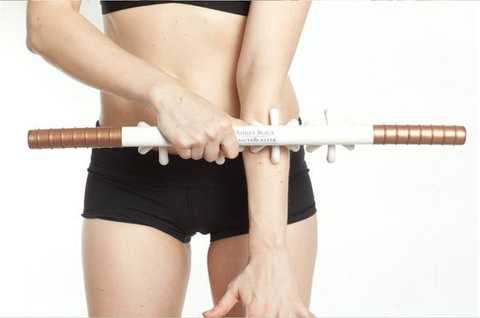
Benefits of Fascia in Motion Session
$$MultiPurposeText$$
Discover the many advantages of choosing Fascia in Motion Session at Shine BE Happy - Hair, Nails & Skincare
Fascia in Motion Session Gallery
$$MultiPurposeText$$
See examples of our Fascia in Motion Session work and results.


Meet the team
$$MultiPurposeText$$
Kelly Thompson
What Our Clients Say
$$MultiPurposeText$$
Read testimonials from our satisfied customers

Omgoodness I really felt pampered the time she took too help me be convertible was amazin...more

I never had this type of massage before, Kelly explained in detail how the bodies fascial...more

Frequently Asked Questions
Get answers to common questions about Fascia in Motion Session.
Each Fascia in Motion session typically lasts about 60 minutes, allowing for thorough exploration of your body's movements and alignment.
Yes, this session is adaptable for all fitness levels and conditions, making it accessible to anyone looking to improve their movement.
Wear comfortable clothing that allows for free movement. Avoid tight or restrictive clothing to maximize your mobility during the session.
Certainly! We encourage combining Fascia in Motion with other treatments for holistic benefits, enhancing your overall wellness experience.
We recommend weekly sessions initially, tapering as you achieve your flexibility and mobility goals for optimal results.
Clients often experience improved flexibility, reduced tension, and better alignment after just a few sessions, contributing to overall well-being.
Ready To Book Fascia in Motion Session?
$$MultiPurposeText$$
Schedule your fascia in motion session appointment today and experience the difference.